

Orthopaedic injuries affect the musculoskeletal system – that is, any injury to bones, joints, muscles, tendons or ligaments. Common examples include muscle “strains”, ligament “sprains”, fractures (broken bones) and tendonitis. A strain involves injury to a muscle or the tendon (the tissue connecting muscle to bone), whereas a sprain injures the ligaments that tie bones together.
In practical terms: tendons connect muscle to bone and ligaments connect bone to bone, so a pulled muscle/tendon (strain) is different from a torn ligament (sprain). Dr Prof. Anil Arora, a leading orthopaedic surgeon in Delhi NCR, explains these injuries in simple language so patients can recognize and prevent them. In “Orthopaedic Injuries By Dr Anil Arora”, we’ll explore what these injuries are, how they can disrupt daily life, the common types, and easy prevention tips.
What are Orthopaedic Injuries?
Orthopaedic injuries are simply injuries to the body’s bones and soft tissues. This includes broken bones (fractures), torn ligaments (sprains), pulled muscles or tendons (strains), joint dislocations, and conditions like tendonitis (tendon inflammation). For example, a muscle strain might happen when a muscle is overstretched or partially torn, whereas a sprain is a stretch or tear of a ligament. A fracture is any break in a bone. Such injuries can come from falls, collisions, overuse (like repetitive sports motions), or even just simple accidents (like tripping). Understanding these terms helps patients and athletes recognize when to rest or see a doctor.
Because they involve key structures, orthopaedic injuries can hurt and heal slowly. A strained hamstring or a broken wrist can limit your movement for weeks. As one clinic notes, orthopaedic injuries “can significantly impact your daily life and well-being”. In other words, even a simple sprained ankle or pinched tendon can disrupt work, chores, or exercise. Dr Anil Arora emphasizes that learning about these injuries – and how to avoid them – is important for anyone active. In Orthopaedic Injuries by Dr Anil Arora, he breaks down these concepts clearly so patients know how to respond to pain and protect their joints.
How do Orthopaedic Injuries affect daily life?
Even a mild orthopaedic injury can make common tasks difficult. For example, a sprained ankle or torn ligament in the knee might cause swelling and pain that makes walking or climbing stairs hard for days or weeks. Broken bones can require casts or surgery, forcing days of bed rest or crutches. Chronic injuries – like untreated tendonitis or back strain – can lead to persistent pain and stiffness. The results range from missing work or sports activities to relying on painkillers or physical therapy. As one specialist website points out, orthopaedic injuries can “significantly impact your daily life”.
In practical terms, joint pain or weakness can slow your morning routine or prevent you from playing with your children. An injured shoulder or rotator cuff tear might make it hard to reach overhead shelves or even dress. For athletes, a knee or wrist injury can sideline months of training. Left untreated, small injuries may worsen (e.g. a minor sprain becoming a chronic ankle instability). The loss of mobility also affects health in other ways: it can reduce fitness, affect mood, and even disrupt sleep. Dr Arora notes that preventing these injuries is critical because the pain and lost mobility can last much longer than the injury itself. In other words, what might seem like a “simple” joint pain can end up hurting your lifestyle if not addressed.
Common Types of Orthopaedic Injuries Explained
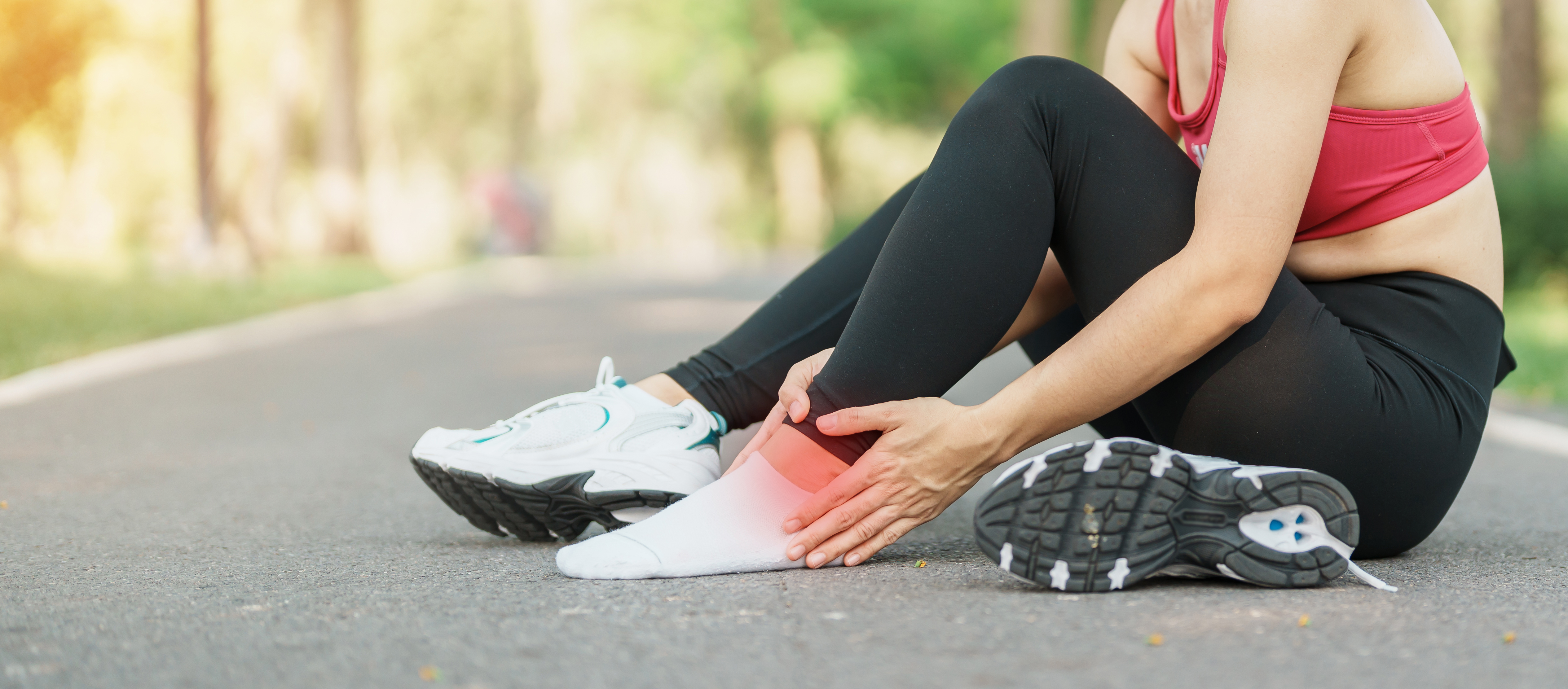
Sprains & Strains: Sprains are injuries to ligaments, while strains are injuries to muscles or tendons. Ligaments are strong bands that connect bone to bone; tendons connect muscle to bone. So a twisted ankle often causes a ligament sprain, while an overextended hamstring might cause a muscle strain. Symptoms of either include pain, swelling, bruising and reduced range of motion. For example, roll your ankle, and you may see an ankle sprain with swelling on the outside of the foot. A pulled calf muscle (strain) might make walking painful and cause muscle spasms. Initial home care for sprains and strains is the RICE method (Rest, Ice, Compression, Elevation) – for instance, Mayo Clinic advises resting the injured area and applying ice in 10-minute intervals to control pain and swelling.
Fractures: A fracture is any break in a bone. Fractures can range from hairline cracks to a bone shattered into pieces. Common causes are falls, accidents, or high-impact sports. Even stress fractures (small cracks) can occur with repetitive motion, like long-distance running. Symptoms include severe localized pain, swelling, and sometimes visible deformity. A fractured arm or leg will usually need medical treatment: simple breaks might heal in a cast for several weeks, while complex breaks may require surgery (plates or rods). During healing, the injured limb is typically immobilized (cast or splint) to let the bone knit back together. Orthopaedic doctors examine fractures with X-rays to guide treatment, and often prescribe physical therapy afterwards to restore strength and function.
Tendonitis: Tendonitis (sometimes spelt “tendinitis”) is inflammation of a tendon – the cord-like tissue that attaches muscle to bone. It often develops from repetitive use or overload. For example, tennis elbow is tendonitis of the elbow tendons; Achilles tendonitis causes heel pain in runners or jumpers. Symptoms include localized pain, swelling, and difficulty moving the affected joint. It usually comes on gradually during repetitive activities (like typing, lifting weights, or throwing). Unlike acute injuries, tendonitis is more of an overuse condition. If not treated, it can become chronic, causing constant dull pain even at rest. Common sites are shoulders (rotator cuff tendonitis), elbows, knees, heels and wrists.
Lower Back Pain: Lower back pain is extremely common and often orthopaedic in origin (muscle strain, disc problems, or joint issues). It can result from heavy lifting, poor posture, or sudden twisting motions. For example, bending incorrectly to lift a box can strain your back muscles. The pain may range from a dull ache to sharp, shooting pain that limits movement. Lower back injuries can affect daily life by making it hard to sit at work, drive, or stand comfortably. Strengthening the core (abdominal and back) muscles is crucial for preventing back injuries. According to orthopaedic experts, strong core muscles “help support your spine and can help prevent back pain”. Maintaining a healthy weight is also key – extra pounds put more pressure on the spine and joints. Proper lifting technique (bend at the knees, not the waist) and good posture at work can prevent many back problems.
Contact with Dr. (Prof.) Anil Arora for Joint Replacement
 1.png)
Dr. (Prof) Anil Arora
Chairman & Head of Department
Orthopaedics & Robotic Knee & Hip Replacement, Max Super Speciality Hospital and Institute of Joint Replacement, Patparganj, New Delhi 110092, India
Chairman & Chief Surgeon, Prof. Arora's Knee & Hip Surgery Clinics, NCR
Education & Training:
- DNB in Orthopaedics from National Board of Examinations
- MS in Orthopaedics from Dr. SN Medical College, Jodhpur
Hospital: Max Super Specialty Hospital
Clinic: Prof. Arora’s Knee & Hip Surgery Clinics, Delhi NCR
Experience: 30+ Years
- Commonwealth Academic Staff Fellowship in Primary, Complex & Revision Joint Replacement Surgery: Royal National Orthopaedic Hospital - Stanmore, London (UK)
- Professor at University College of Medical Sciences & GTB Hospital, New Delhi
- Assistant Professor at Dr SN Medical College & Mahatma Gandhi Hospital, Jodhpur
- Senior Resident at University College of Medical Sciences & GTB Hospital, New Delhi
Specialty: Orthopaedic Joint Replacement (Robotic Knee & Hip Replacement) Max Super Specialty Hospital
About: Dr. (Prof.) Anil Arora, Guinness world record holder and Limca book of records holder, is a Senior Robotic Total Knee & Hip Replacement surgeon. He is an Internationally known figure in Orthopedics and joint replacement. He has been performing joint replacements since 1988, experience of more than 30+ years and 15,000+ Knee & Hip Replacement surgeries. Teaching in medical college and training Orthopedic surgeons has provided him with vast surgical and clinical experience and expertise. He has wide-ranging skills in knee and hip replacement surgeries. He is known for his sound clinical judgment and fine surgical skills. He was the first surgeon to start pinless computer navigated total knee replacements in north India. He is regularly performing primary, complex and revision (Robotic & pinless computer navigated) knee and hip replacement surgeries. He is also performing primary and revision elbow and shoulder replacements. He is the immediate past president of Delhi Orthopedic association.
Easy Prevention Tips
Preventing orthopaedic injuries often comes down to smart habits. Here are key tips recommended by Dr Arora and other specialists:
Immediate Care (R.I.C.E.):
When an acute injury occurs (like a sudden sprain or twist), act quickly. The widely recommended RICE method (Rest, Ice, Compression, Elevation) helps reduce pain and swelling.
Rest: Stop the activity and rest the injured part.
Ice: Apply an ice pack or cold compress for about 10 minutes to numb pain and constrict blood vessels.
Compression: Wrap the area with a snug (but not tight) bandage to limit swelling.
Elevation: Keep the injured limb raised above heart level to slow blood flow and reduce
swelling. Following RICE immediately after injury can speed up recovery and prevent complications. (If pain is severe or swelling is extreme, seek medical attention promptly.)
How can you prevent Orthopaedic Injuries?
Consistent prevention habits make a big difference. In summary:
- Warm-Up & Stretch: Always warm up before exercise.
- Stay Active & Balanced: Include strength and flexibility exercises in your routine.
- Proper Form & Gear: Use correct technique and wear appropriate protective equipment.
- Strengthen Core: Strong core and leg muscles support joints and spine.
- Watch Posture: Maintain good posture at work and home.
- Lift Safely: Bend your knees and keep your back straight when lifting.
- Maintain a Healthy Weight: Less weight means less stress on joints.
- Stay Hydrated: Drink water around workouts.
- Get Treatment Early: If hurt, use RICE and see a doctor if needed.
By following these simple steps – essentially the core tips of Orthopaedic Injuries by Dr Anil Arora – most common injuries can be avoided or minimized. Prevention is especially important for sports enthusiasts, people with active lifestyles, and anyone whose work involves physical tasks.
Why Choose Dr. Anil Arora in Delhi & NCR?
Dr. (Prof.) Anil Arora is a highly experienced orthopaedic surgeon serving Delhi and the NCR. He has over 33+ years of experience (practicing since 1988) and has performed more than 15,000 knee and hip joint replacements. Under his care, patients benefit from advanced techniques like robotic and computer-navigated joint surgery, which improve precision. His clinic is known for rapid recovery protocols, helping patients regain mobility quickly.
Dr Arora’s credentials are impressive. He holds a Guinness World Record (2018) for the largest joint replacement gathering, and Limca Book of Records (2017). He’s been honoured with many awards – for instance, he was named a “Healthcare Pioneer of Delhi NCR” by the Delhi Health Minister in 2025. (He’s also featured as one of India’s top knee & hip surgeons by major medical publications.) Patients come to him from all over India and abroad because of his reputation. His Delhi clinic performs roughly 1,500 joint replacements per year with an excellent safety record and patient satisfaction.
For anyone in Delhi NCR with an orthopaedic issue – whether it’s a sports injury, chronic joint pain or the need for a replacement – Dr Arora’s expertise is a clear choice. He combines decades of surgical skill with personalized, compassionate care. Patients praise his attention and the fact that he stays involved through their entire recovery. His long track record of successful outcomes is reassuring: he’s literally set the standard for joint care in the region.
Take Action Today
Orthopaedic injuries shouldn’t be ignored. Even if your aches seem minor, simple prevention can keep them from becoming serious. Follow the tips above: warm up before activity, use good technique, wear gear, and maintain fitness. If you do experience pain or injury, apply RICE immediately and allow time to heal.
If problems persist or you need expert guidance, consider Dr Anil Arora’s clinic in Delhi. As the author of Orthopaedic Injuries by Dr Anil Arora, he is committed to helping patients stay active and pain-free. Don’t wait for a small injury to worsen – book an appointment, ask questions, and get personalized advice on protecting your bones and joints. The sooner you act, the sooner you can return to the activities you love with confidence and comfort.
Take charge of your bone and joint health today!