

Knee replacement surgery usually relieves arthritis pain and helps people walk better. There are different types of implants (total or partial, fixed or mobile, ligament-retaining or substituting), and each has pros and cons. How “natural” your new knee feels depends on implant choice and many surgical factors. For example, partial knee replacements only damged or degenerated part of the knee is replaced) often feel more natural because healthy bone and ligaments are kept. Proper implant alignment and balanced soft tissues (ligaments) are also crucial so the knee moves smoothly. Working hard in physical therapy and having realistic expectations help a lot: most patients steadily improve over months, usually walking without a cane by 4–6 weeks and feeling close to normal by 6–12 months. This article explains implant types, factors that affect “natural feel,” recovery timelines, practical tips, and myths vs reality.
Types of Knee Replacement Implants
Total Knee Replacement: The surgeon removes all damaged cartilage and bone from the knee joint and replaces it with metal and plastic parts. This is often called TKR or TKA (total knee arthroplasty). Most patients (about 95%) have great pain relief and improved walking after total knee surgery. However, a new total knee will never work exactly like a healthy natural knee: it may feel stiffer, and some people hear or feel clicks when bending. Over time this usually improves but it is a normal difference. Recovery is slower than partial knee (see timeline below).
Partial (Unicompartmental) Knee Replacement: Only the damaged part of the knee is replaced – for example, just the inner (medial) side if arthritis is localized there. The surgeon leaves the healthy cartilage, bone, and all the ligaments in the rest of the knee intact. Because more of the knee is untouched, partial replacements usually involve a smaller cut, less pain right after surgery, and a quicker recovery. Many patients say a partial knee feels more natural and has better motion than a total knee. The downside is that if arthritis later spreads to the other parts of the knee, a second surgery (turning it into a total knee) may be needed.
Fixed-Bearing Knee Implants: In a fixed-bearing design, the plastic insert (on top of the shin bone piece) is locked in place under the metal part. The knee can bend and straighten normally, but rotation (twisting) is limited. This design is simple and sturdy, and it is the more common, long-established type. One concern is that if you do very high-impact activities or gain a lot of weight, the fixed bearing can wear out more quickly. Over time, worn plastic can loosen and cause pain.
Mobile-Bearing Knee Implants: A mobile-bearing design has a plastic insert that can actually rotate a little under the metal tibial component. This extra rotation more closely mimics a normal knee’s motion (which twists slightly with bending), so in theory it allows a more natural movement and feel. Mobile bearings were developed to reduce wear and improve motion. However, they require the knee’s ligaments to be very well balanced and strong; otherwise the insert can spin too much or even dislocate. Mobile-bearing knees are more complex and costly than fixed. In practice, large studies show that mobile- and fixed-bearing implants have very similar outcomes for most patients.
Cruciate-Retaining vs. Cruciate-Substituting Implants: Within total knee replacements, some implants are designed to keep the knee’s posterior cruciate ligament (PCL) intact (cruciate-retaining), while others remove the PCL and use a special plastic “cam and post” mechanism to substitute for it (often called posterior-stabilized). The idea of cruciate-retaining designs is to preserve more of the knee’s natural anatomy. In reality, high-quality studies show no major difference in pain relief, motion, or patient satisfaction between retaining or substituting the PCL. In both cases, recovery is similar, and the choice often depends on surgeon preference and the patient’s knee condition. Patients in studies rated their satisfaction about 8/10 no matter which design was used.
What Affects the “Natural” Feel of the Knee?
Several factors during and after surgery influence how the knee feels:
- Implant design: As above, partial knee replacements often feel most natural because healthy parts of the knee stay in place. Mobile-bearing designs allow more rotation (more knee twist) which can feel more lifelike, but large trials haven’t shown clear improvement in outcomes. Fixed bearings give stable results but allow less rotation. In the end, expert studies say overall patient reports of “natural feeling” are very similar between fixed and mobile bearings.
- Alignment of the components: The surgeon aims to align the new knee so it matches the natural angle of your leg. Some use “mechanical alignment” (making the knee straight up and down) while others use “kinematic alignment” (trying to match your knee’s original shape). Recent studies suggest that restoring the knee’s natural (pre-arthritis) alignment can make soft tissues (ligaments) more balanced with fewer adjustments. A well-aligned knee with even ligament tension tends to feel better and work more normally.
- Soft-tissue balance (ligament tension): The knee has ligaments (strong elastic bands) that keep it stable. In surgery, the surgeon carefully adjusts these ligaments so they are not too tight or too loose. Good balance means the knee doesn’t drift inward or outward and bends smoothly. If a knee is left with uneven ligament tension, it may feel unstable or catch awkwardly. Balancing the soft tissues so the knee pivots correctly (usually a little more motion on the outside than the inside) helps the knee feel more like a natural joint.
- Ligament preservation: As noted, keeping the PCL or not usually does not change how “natural” it feels in a big way. What’s more important is that any ligaments kept in place are healthy. If ligaments are very worn or damaged, surgeons choose a design (either retaining or substituting) that gives a stable knee.
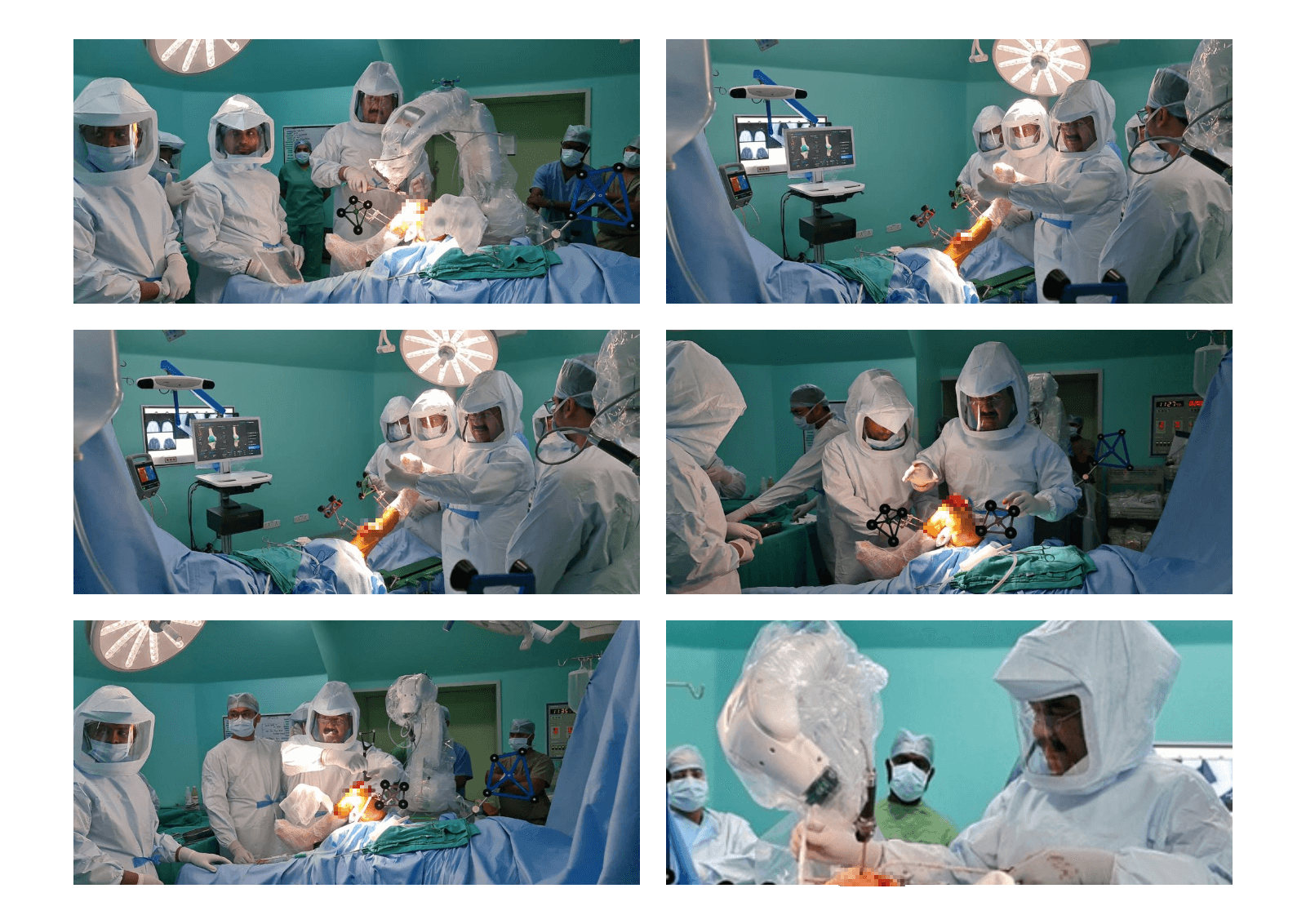
- Surgeon skill and technique: The experience of the surgical team and use of advanced tools (like computer navigation or robotics) can improve accuracy of cuts and implant placement. Better precision often leads to more normal feeling knees. For example, robotic-assisted surgery can help match the knee’s natural angles and check ligament tension during the operation. While technology isn’t magic, a well-performed surgery with careful steps tends to give better motion and fewer complications.
- Patient anatomy and health: Your body also matters. People with very unusual knee shapes or severe deformities (like a very bowed leg) may have a harder time getting a “normal-feeling” knee even with good surgery. Being overweight or inactive can also affect outcomes. On the other hand, patients who keep muscles strong before and after surgery often do better. Good overall health, muscle strength, and flexibility help the knee work well.
- Rehabilitation (physical therapy): Active rehab is crucial. Research shows that patients who fully commit to therapy and exercises get much better outcomes than those who stay passive. Early movement (usually on the day of or day after surgery) helps prevent stiffness. Regular exercises to bend and straighten the knee, strengthen the thigh muscle, and balance the leg teach the new knee how to move normally. Staying on track with physical therapy for weeks to months is one of the strongest factors in having a knee that feels good and functions well.
- Pain and scar tissue: In the weeks after surgery, pain and swelling can limit movement. It’s normal to have tenderness and a bit of swelling for months, but controlling pain (with medications, ice, elevation) is important so you can do exercises. In some cases, scar tissue (often felt as stiffness) can develop. Your therapist will push gentle range-of-motion to break up tightness. If the knee stays too tight, a doctor may do a “manipulation” under anesthesia to loosen it (though this is uncommon nowadays).
- Expectations and psychology: How you think about recovery affects how “natural” it feels. Patients who expect a completely perfect knee with no sensation of metal or plastic may be disappointed if they feel any clicking or see subtle differences. In truth, modern knees allow people to do almost all normal activities, but heavy impact sports (like running or jumping) are usually discouraged. Realistic expectations—knowing the knee may feel slightly different but should be much better than before—help satisfaction. Many patients note they “forget” about the joint once healing is complete. Having a positive mindset and understanding the timeline leads to a better sense of outcome.
Contact Dr. (Prof.) Anil Arora for a ‘natural-feeling’ knee replacement.
 1.png)
Dr. (Prof) Anil Arora
Chairman & Head of Department
Orthopaedics & Robotic Knee & Hip Replacement, Max Super Speciality Hospital and Institute of Joint Replacement, Patparganj, New Delhi 110092, India
Chairman & Chief Surgeon, Prof. Arora's Knee & Hip Surgery Clinics, NCR
Education & Training:
- DNB in Orthopaedics from National Board of Examinations
- MS in Orthopaedics from Dr. SN Medical College, Jodhpur
Hospital: Max Super Specialty Hospital
Clinic: Prof. Arora’s Knee & Hip Surgery Clinics, Delhi NCR
Experience: 30+ Years
- Commonwealth Academic Staff Fellowship in Primary, Complex & Revision Joint Replacement Surgery: Royal National Orthopaedic Hospital - Stanmore, London (UK)
- Professor at University College of Medical Sciences & GTB Hospital, New Delhi
- Assistant Professor at Dr SN Medical College & Mahatma Gandhi Hospital, Jodhpur
- Senior Resident at University College of Medical Sciences & GTB Hospital, New Delhi
Specialty: Orthopaedic Joint Replacement (Robotic Knee & Hip Replacement) Max Super Specialty Hospital
About: Dr. (Prof.) Anil Arora, Guinness world record holder and Limca book of records holder, is a Senior Robotic Total Knee & Hip Replacement surgeon. He is an Internationally known figure in Orthopedics and joint replacement. He has been performing joint replacements since 1988, experience of more than 30+ years and 15,000+ Knee & Hip Replacement surgeries. Teaching in medical college and training Orthopedic surgeons has provided him with vast surgical and clinical experience and expertise. He has wide-ranging skills in knee and hip replacement surgeries. He is known for his sound clinical judgment and fine surgical skills. He was the first surgeon to start pinless computer navigated total knee replacements in north India. He is regularly performing primary, complex and revision (Robotic & pinless computer navigated) knee and hip replacement surgeries. He is also performing primary and revision elbow and shoulder replacements. He is the immediate past president of Delhi Orthopedic association.
Recovery Timeline
Recovery from knee replacement takes time. Each person is different, but this is a typical timeline: most people stay 1–3 days in the hospital, then gradually get back to life over the next year. Pain and swelling are highest in the first weeks, but steady improvement follows. By about 4–6 weeks most patients can walk normally without a walker or cane. Driving often returns around 4–6 weeks. By 3–6 months, most can resume normal daily activities (even low-impact sports like golf or cycling). Between 6–12 months your knee is usually 90% improved; the “natural” feeling continues to increase in that first year. According to one study, patients see marked improvement in how natural their knee feels during the first year, with only small gains after that.
0-2 weeks In hospital (walking with aid, start gentle exercises)2-6 weeks At home (use cane as needed, daily exercises, climb stairs)6-12 weeks Walk unaided, return to light work/hobbies 3-6 months Build strength,nearly full activities6-12 months Knee feels much more normal (~90%recovery【37†L85-L94】)Knee Replacement Recovery Timeline
Tips to Improve Outcomes
- Before surgery: Get in the best shape possible (“pre-hab”). This means exercising to strengthen legs and arms, losing extra weight, and eating well. Good nutrition and fitness help you recover faster. Arrange help at home (someone to bring meals, assist with stairs) for the first week or two. Prepare your house: put key items at waist level, clear trip hazards, and set up a dry place for a shower chair. If you smoke, try to quit at least a month before surgery – it cuts complications and aids healing.
- Pain control and ice: Have a plan for pain medicine after surgery. Take prescribed pain meds on schedule (usually every 4–6 hours at first) so pain stays low. Use ice on the knee (20 minutes a few times daily) to reduce swelling. Swelling is normal but can make it hard to bend the knee; ice and elevation help.
- Early movement: Almost all patients begin moving the knee on day 1 or 2. Gentle bending and ankle pumps (moving the ankle up and down) keep blood flowing and prevent clots. Walk with assistance right away as your doctor allows. Physical therapists will teach you safe ways to stand, sit, and use the stairs.
- Follow therapy routine: Once home, stick to your exercise program every day. Do the simple knee bends, leg raises, and stretches you were shown. Even if you feel sore, these exercises prevent stiffness and build strength. Gradually increase walking distance. Do not do any jerky or forced movements. If an exercise or movement causes sharp pain, stop and call your doctor.
- Protect your knee: Use assistive devices (walker, cane) as needed. Don’t push the knee with high-impact activities or heavy loads (no running or jumping). Wear compression stockings or take blood thinners as prescribed to prevent blood clots (deep vein thrombosis). Look out for redness or swelling below the knee or shortness of breath, and report these to your doctor.
- Be patient with recovery: Healing takes months. Even if the knee feels stiff at first, it often loosens up by 3–6 months. According to Cleveland Clinic, full recovery can take a year. Keep realistic goals: you should get back to walking, golfing, biking, or dancing, but high-impact sports are usually off-limits. Remember that numbness around the scar and a bit of clicking or metal feel is normal early on, and these often fade.
Myths vs. Realistic Expectations
Myth: “My new knee will feel exactly like a young, healthy knee.”
Reality: Most knee replacements feel much better than the painful arthritic knee you had, but they rarely feel identical to a perfectly normal knee. Common minor differences are numbness near the scar and occasional clicking sounds when you bend fully. Over time these sensations usually become much less noticeable.
Myth: “I won’t have any pain at all after surgery.”
Reality: You should have much less chronic knee pain after arthritis is removed, but it takes time. In the first weeks you will feel surgical pain and aches. Pain usually subsides steadily with healing and therapy. According to BOA guidance, about 95 out of 100 knee replacements are “successful” in the long run. A small number of patients continue to feel some pain; in those cases follow-up with the surgeon is needed.
Myth: “If one knee feels funny, I must need surgery on the other.” (for partial knees)
Reality: If you have a partial knee, only the bad part was replaced. If another compartment of the knee hurts later, your surgeon may convert it to a total knee. But if your partial knee feels fine, you don’t need surgery on the healthy part.
Myth: “I can do any sport after knee replacement.”
Reality: Low-impact activities (walking, cycling, swimming, golf) are usually fine after 3–6 months. High-impact sports (running, basketball) are discouraged because they stress the implant and can cause wear or loosening. Think of your new knee as durable but not invincible.