

Getting your new joint was a big step. But here's something many patients don't hear clearly enough: surgery is the beginning of your implant's story, not the end of it. What you do in the years that follow plays a real role in how long your new joint lasts."
The encouraging part is that most of what protects your implant comes down to a handful of simple, manageable habits — not anything complicated or restrictive. This guide lays out exactly what to focus on, year by year, so your implant has the best possible chance of lasting well beyond 25 years.
Quick Answer
- Modern joint implants commonly last 20 - 25 years, and often longer. with good care and precise robotic-assisted placement
- Weight management, low-impact activity, and strong muscles around the joint are the biggest factors within your control.
- Regular follow-up visits — even without symptoms — matter. Many surgeons recommend a check-up and X-ray around the 10-year mark specifically.
- New pain, swelling, or instability should never be ignored, even many years after surgery.
Why Long-Term Care Matters After Joint Replacement
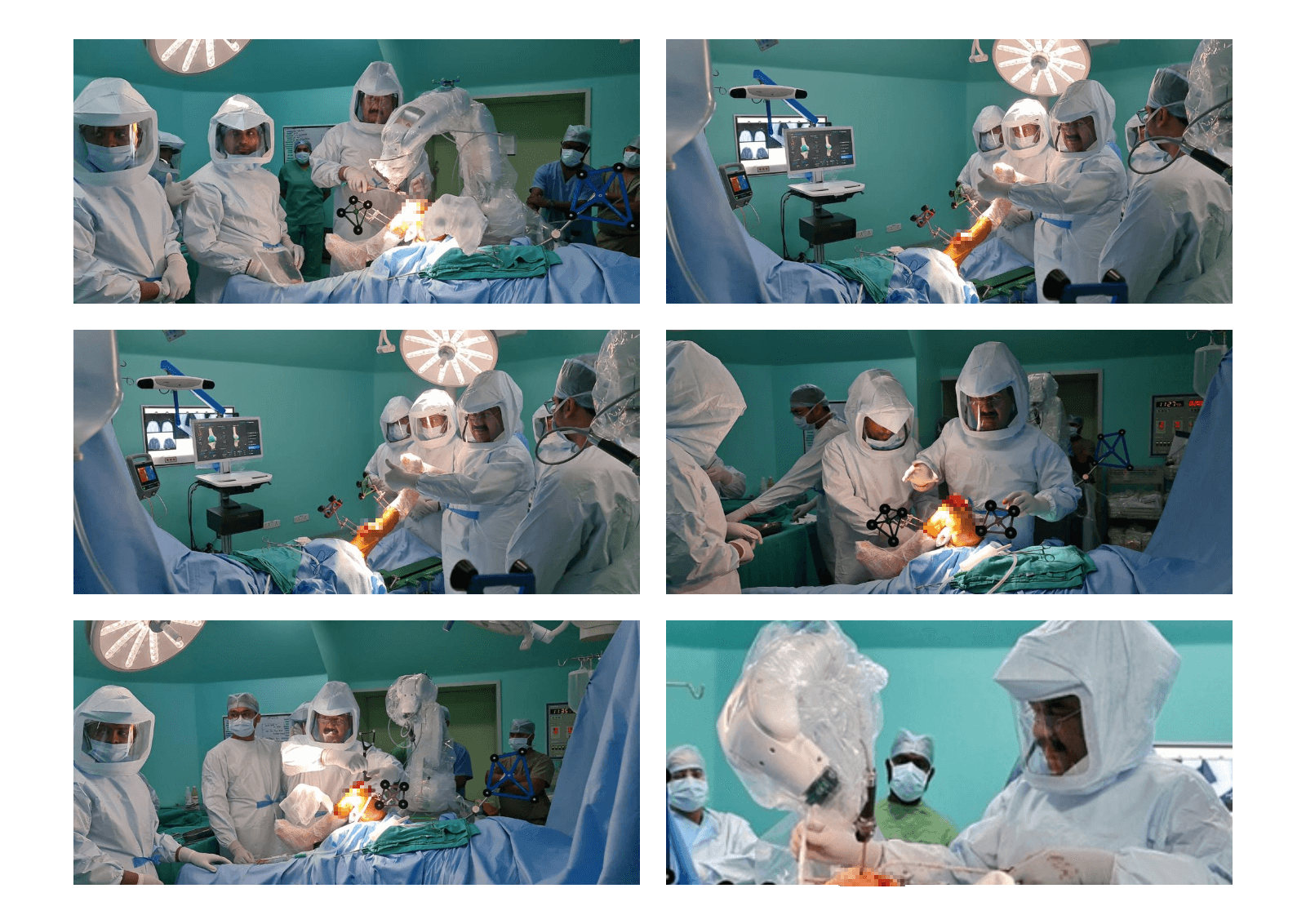
A joint implant is a mechanical device living inside a biological body — and like anything mechanical, how it's used affects how long it lasts. Robotic-assisted surgery gives your implant a strong head start through precise alignment and fit, which reduces uneven wear from day one. But your daily habits over the years that follow determine how well that advantage holds up over time. Think of the surgery as building a strong foundation — the checklist below is how you maintain the house on top of it.
Your Long-Term Implant Care Checklist
Maintaining a healthy weight Extra body weight adds direct mechanical stress to your implant with every single step you take. Even modest, sustainable weight management meaningfully reduces long-term wear and lowers strain on the surrounding bone.
Stick to low-impact activity Walking, swimming, cycling, and gentle yoga are excellent for your joints and your overall health. Running, jumping, and high-impact sports place repeated, forceful stress on the implant and are generally best avoided long-term.
Keep the muscles around your joint strong. Strong muscles help absorb everyday shock and stabilize the joint, reducing the load the implant itself has to bear. Ongoing gentle strength exercises, even years after surgery, genuinely make a measurable difference.
Take bone health seriously Your implant is anchored in your bone, so bone health directly supports implant stability over time. Adequate calcium, vitamin D, and weight-bearing activity all matter — as does treating osteoporosis if you have it.
Prevent falls at home A fall can crack the bone around your implant or cause it to shift out of position. Good lighting, clutter-free floors, non-slip mats, secure handrails, and using a cane or walker when needed all genuinely lower this risk.
Be mindful around infections elsewhere in the body — including dental infections — can occasionally travel through the bloodstream and affect an implant, even years later. Always mention your joint replacement to your dentist, and ask your surgeon whether any precautions apply to your specific situation.
Don't skip your follow-up visits. Regular check-ins let your surgeon catch small changes early, long before they become noticeable problems. Skipping these because "everything feels fine" is one of the most common, avoidable mistakes patients make.
Everyday Habits That Protect Your Joint
Beyond the bigger checklist items, small daily habits add up over the years:
- Wear supportive, well-fitted footwear rather than flat, unsupportive slippers for daily walking
- Use handrails on stairs, even when you feel steady
- Pace physical activity across the day rather than doing everything at once
- Avoid prolonged kneeling or squatting, which places extra stress on knee implants specifically
- Keep assistive devices (cane, walker) nearby if your doctor has recommended them, even for "just in case" moments
Schedule an evaluation of your joint condition
Take the first step toward pain-free mobility and protected health.
The 10-Year Mark: What to Expect
Here's where the "10-year" part of this checklist becomes especially important. Implant wear can be completely silent — meaning it can progress gradually with no pain or symptoms at all, until it reaches a more advanced stage.
Because of this, many surgeons recommend a check-up and X-ray around the 10-year mark, even if you're feeling perfectly fine. This simple, low-effort step can catch early signs of wear or loosening while they're still easy to manage, rather than after they've progressed into something more complicated.
A Simple Timeline for Long-Term Care
| Timeframe | What to Focus On |
|---|---|
| First Year | Physiotherapy, gradual return to activity, watching for infection |
| Years 2–5 | Maintaining strength, healthy weight, low-impact activity, annual check-ins |
| Years 5–10 | Continued check-ups, bone health monitoring, staying alert to subtle changes |
| 10+ Years | X-ray review even without symptoms, ongoing discussion with your surgeon |
Warning Signs You Shouldn't Ignore
Even many years after surgery, contact your doctor if you notice:
- New or worsening pain in the joint
- Swelling, warmth, or redness around the joint
- A feeling of instability or the joint "giving way"
- Clicking, grinding, or unusual noises that are new
- Fever alongside joint pain, which can suggest infection
These signs don't always mean something is seriously wrong, but they're always worth having checked rather than waiting out.
The Bottom Line
Your robotic joint implant already has a strong foundation from precise surgical placement. What happens next is largely in your hands — a healthy weight, low-impact activity, strong muscles, good bone health, fall prevention, and simply showing up for your follow-up visits, especially around the 10-year mark.
Dr. Arora continues to support patients well beyond the surgery date, with long-term follow-up plans designed to help your implant go the distance.
Had joint replacement surgery and want to make sure you're on the right track? Book a follow-up consultation with Dr. Arora to review your long-term care plan.
Schedule an evaluation of your joint condition
Take the first step toward pain-free mobility and protected health.

.png)