

Stiff knees when you get out of bed, aching hips after a short walk, a shoulder that just won’t move like it used to – joint and bone problems are incredibly common, especially as we age. They can affect anyone, from young athletes with sports injuries to older adults with arthritis or osteoporosis. The good news is that modern medicine offers more options than ever to reduce pain, restore movement, and help you stay active and independent.
This drop in mobility is rapidly escalating across the region. Recent epidemiological data from the Indian Council of Medical Research (ICMR) highlights that osteoarthritis is now one of the leading causes of physical disability in India, affecting over 15% of our population. Alarmingly, severe joint degeneration and the need for knee replacements are striking Indian patients a full decade earlier than their Western counterparts—frequently impacting individuals in their late 40s and 50s due to genetic predispositions and lifestyle stressors.
Understanding what causes joint and bone problems, and knowing today’s treatment options, can help you make informed decisions and find a path back to better mobility.
Key Takeaways: Quick Summary
- The Core Drivers: Chronic joint pain is primarily driven by osteoarthritis, autoimmune conditions like RA, and early-onset bone weakness, heavily aggravated by local North Indian winter smog.
- Comprehensive Conservative Care: Optimized weight management, targeted low-impact physical therapy, and advanced bone-preserving medications form the vital foundation of modern treatment.
- The Surgical Edge: When non-surgical routes fail, modern keyhole arthroscopy and robotic-assisted joint replacements offer permanent, ultra-precise solutions.
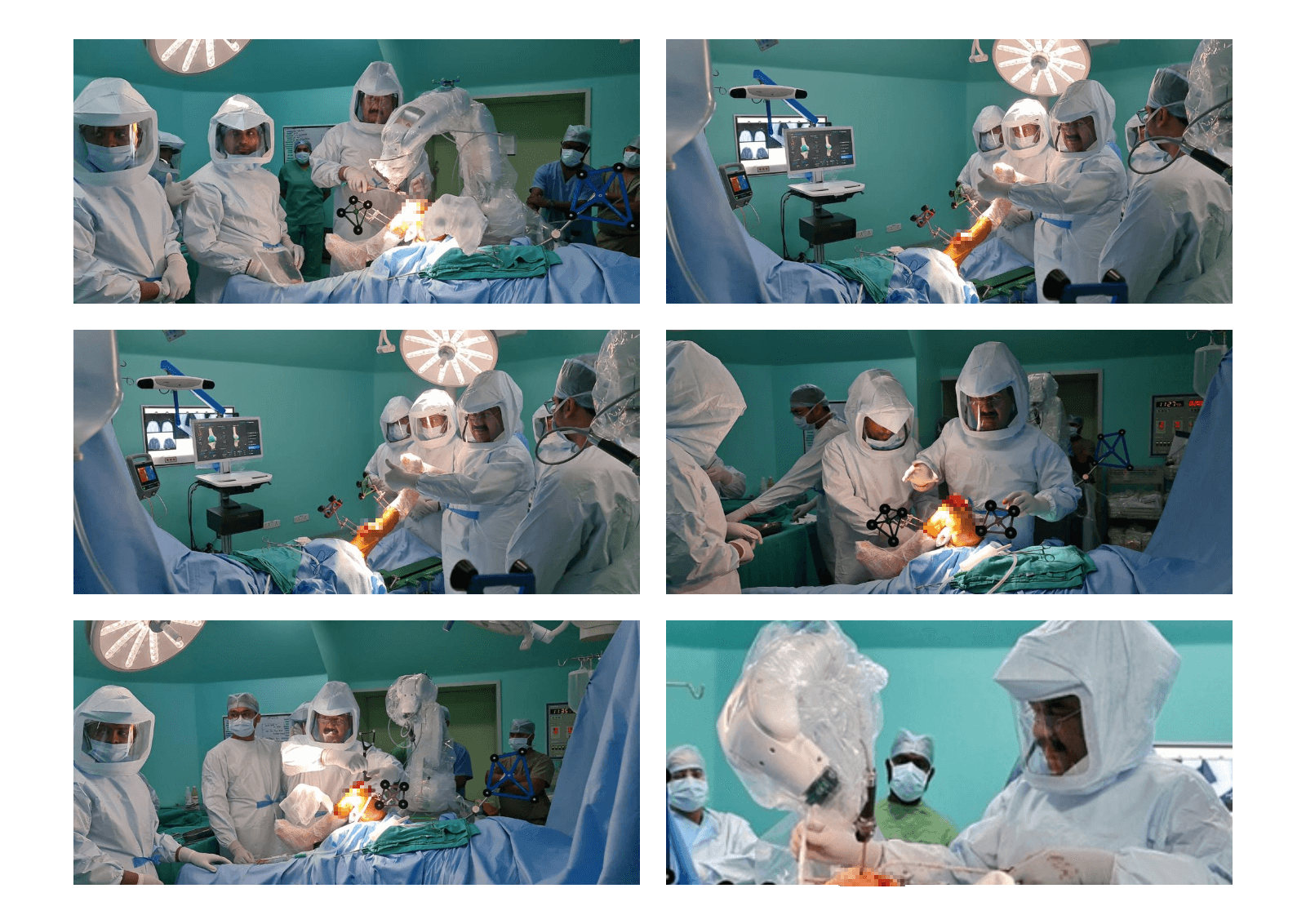
- The Expert Advantage: Dr. (Prof.) Anil Arora pairs 30+ years of global orthopedic excellence with state-of-the-art robotic navigation to ensure near-100% precision, minimal tissue trauma, and rapid recovery.
Common Causes of Joint and Bone Problems
Joint and bone issues arise for many reasons, but a few causes are especially common:
1. Osteoarthritis: Often called “wear-and-tear” arthritis, it happens when the cartilage that cushions your joints gradually breaks down. Knees, hips, hands, and spine are often affected, leading to pain, stiffness, and reduced range of motion.
2. Rheumatoid arthritis and other inflammatory conditions: These are autoimmune diseases, where the immune system mistakenly attacks the joints. They can cause pain, swelling, and joint damage if not treated early.
3. Osteoporosis: A condition where bones become thin and fragile, increasing the risk of fractures, especially in the spine, hip, and wrist.
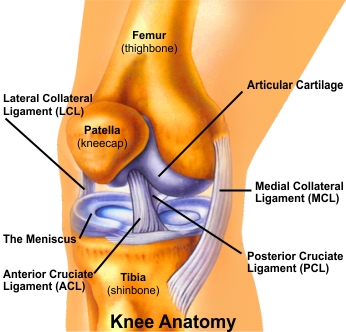
4. Sports and overuse injuries: Ligament tears, tendonitis, meniscus injuries, and stress fractures can cause long-term problems if not managed properly.
5. Trauma and accidents: Broken bones or dislocations from falls and accidents may lead to chronic pain or arthritis later on.
❄️ Regional Notice for North India Residents
If you live in Delhi-NCR, Punjab, Haryana, or Uttar Pradesh and notice your joint pain peaking drastically between November and February, you aren't imagining things. Read our medical deep-dive, [The Science Behind Winter Joint Flare-Ups in North India], to discover how seasonal barometric pressure drops and toxic winter smog (PM2.5) physically inflame your joints.
Lifestyle Foundations: The First Step to Better Mobility
No matter what specific diagnosis you have, certain lifestyle strategies are the backbone of modern treatment plans for bones and joints.
Weight management: Extra body weight puts added stress on weight-bearing joints like knees, hips, feet, and lower back. Even losing a small amount of weight can significantly reduce pain and slow down joint damage, especially in osteoarthritis.
Regular, Targeted Exercise: It may seem counterintuitive when you’re in pain, but the right kind of movement is essential. Low-impact exercises such as walking, cycling, swimming, and water aerobics keep joints moving without excessive stress. Strength training builds the muscles that support and stabilize your joints, while stretching and yoga improve flexibility and balance.
Nutrition and Dietary Synergy:Adequate calcium and Vitamin D3 are vital for bone strength. However, taking supplements blindly often fails without dietary synergy. A joint-healthy diet must be rich in fruits, leafy greens, lean proteins, and anti-inflammatory healthy fats (like Omega-3s) to ensure your body actually absorbs and utilizes these bone-strengthening nutrients.
Joint Protection Tools:Simple assistive devices such as customized knee braces, shoe inserts, canes, or ergonomic chairs can instantly reduce strain on painful joints and lower your risk of accidental falls.
Modern Medications: Managing Pain and Protecting Joints
Medication has advanced significantly, not only to relieve pain but also to slow disease progression in certain conditions.
Targeted Pain Relievers: Over-the-counter options like acetaminophen or nonsteroidal anti-inflammatory drugs (NSAIDs) help manage mild to moderate flare-ups. For more advanced symptoms, specialists prescribe selective cox-2 inhibitors to balance powerful pain relief with gastrointestinal safety.
Topical treatments: Medicated gels, creams, and anti-inflammatory patches applied directly to the painful joint are excellent options, especially for elderly individuals who cannot tolerate oral medications due to kidney or stomach sensitivities.
Disease-Modifying Anti-Rheumatic Drugs (DMARDs): For autoimmune conditions like rheumatoid arthritis, modern biologics and targeted synthetic DMARDs act directly on the immune system to stop joint destruction in its tracks.
Bone-Preserving Agents: For osteoporosis, modern medications like bisphosphonates or advanced bone-building injections (like teriparatide or denosumab) help slow down bone loss and stimulate new bone formation, preventing future fractures.
These medicines can be powerful tools but work best as part of a broader treatment plan that includes exercise and healthy lifestyle changes.
Physical Therapy and Rehabilitation: Relearning How to Move
Physical therapy is at the heart of modern joint and bone care. A trained therapist can design a personalized exercise program to:
- Increase joint flexibility and range of motion
- Strengthen the muscles that support and stabilize your joints
- Improve posture and balance
- Teach safer movement patterns to protect vulnerable areas
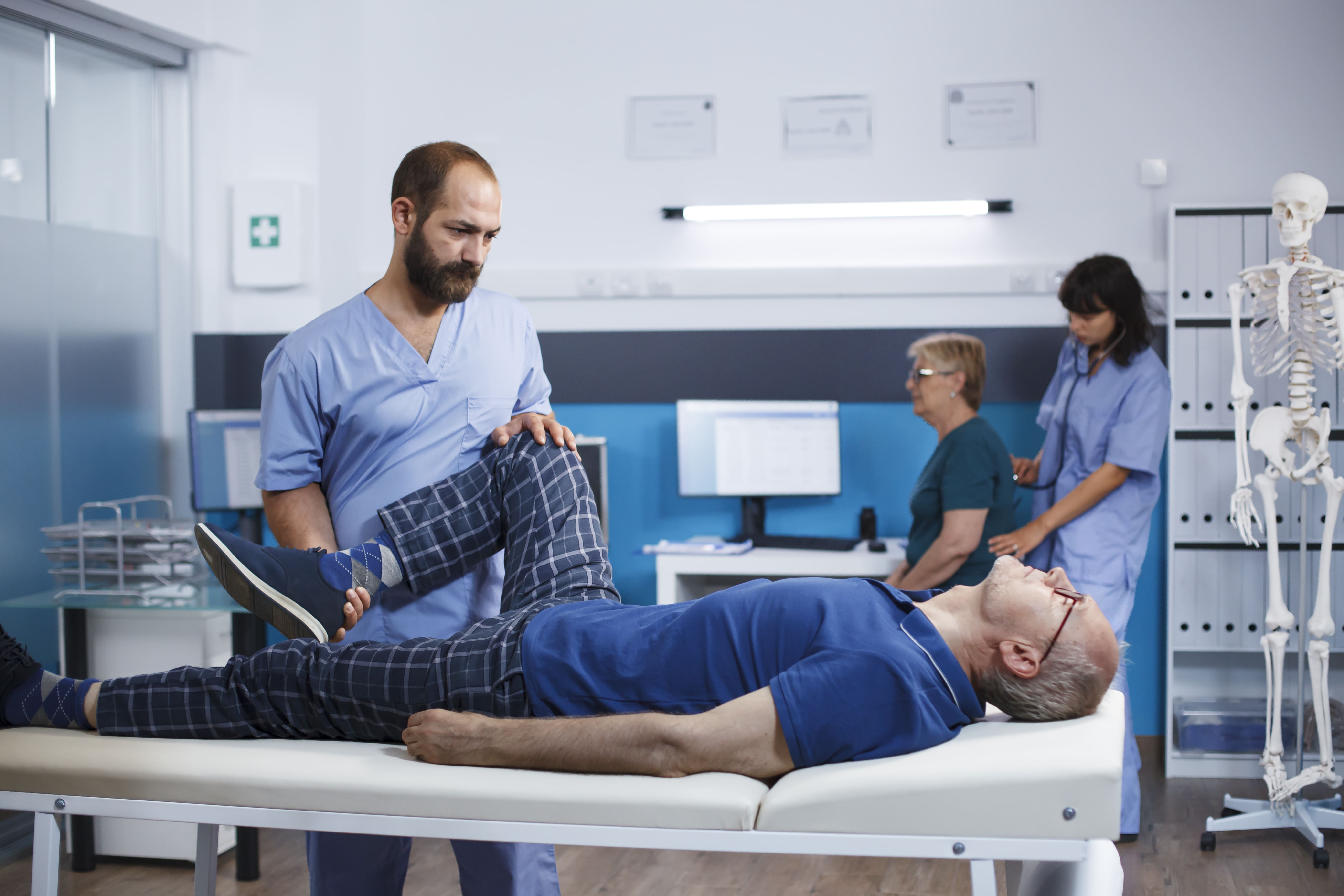
Techniques may include manual therapy (hands-on work to mobilize joints and soft tissues), targeted stretches and exercises, heat or cold therapy, ultrasound, and electrical stimulation. Occupational therapists can also help you modify daily activities and improve hand and upper body function.
Interventional and Regenerative Options
When standard conservative treatments are not enough, more advanced non-surgical techniques may help.
- Corticosteroid injections: These can provide short-term relief from inflammation and pain in joints like the knee, hip, or shoulder. They are not a permanent fix but can be very helpful during flare-ups.
- Viscosupplementation: In some cases of knee osteoarthritis, doctors may inject hyaluronic acid, a substance similar to the natural fluid in your joints, to improve lubrication and reduce pain.
- Regenerative therapies (still evolving): Treatments such as platelet-rich plasma (PRP) or stem cell-based injections aim to use the body’s own healing processes to repair damaged tissues. While promising in certain situations, research is ongoing, and results can vary. These options should be discussed carefully with a specialist.
Modern Surgical Solutions: When You Need More Than Conservative Care
Surgery is not always necessary, but when pain and disability remain severe despite other treatments, surgical options today are more effective and less invasive than in the past.
Arthroscopy: This minimally invasive procedure uses small incisions and a tiny camera to repair or clean up damaged cartilage, ligaments, or meniscus in joints such as the knee or shoulder. Recovery is usually quicker than with open surgery.
Joint replacement: For advanced arthritis, especially in hips and knees, total or partial joint replacement can be life-changing. Surgeons remove damaged bone and cartilage and replace them with artificial components designed to mimic natural movement. Improvements in materials and surgical techniques have made modern implants more durable and reliable, often lasting 15 to 20 years or more.
📊 Understanding Your Surgical Eligibility
Meet the Expert: Dr. (Prof.) Anil Arora
If you are navigating complex joint problems, finding a highly experienced specialist is the most critical step on your recovery journey.
Dr. (Prof.) Anil Arora
Chairman & Head of Department – Orthopaedics & Robotic Knee & Hip Replacement
Max Super Speciality Hospital, Patparganj, New Delhi
Chairman & Chief Surgeon – Prof. Arora's Knee & Hip Surgery Clinics, Delhi NCR
Conclusion
Improving your mobility is about taking informed, proactive steps rather than accepting pain and limitation as inevitable. By seeking an early, accurate diagnosis, you open the door to treatments that can prevent further damage and support long-term joint and bone health. Working closely with your healthcare team to build a personalized plan gives you the best chance to relieve pain, regain function, and stay active. Modern therapies, combined with everyday lifestyle choices, are designed not just to ease symptoms but to help you continue doing what you love. When you ask questions, explore your options, and stay engaged in your care, joint and bone problems become challenges you manage—not barriers that define your life.
Frequently Asked Questions (FAQs)
Q1: Does the robot actually perform the knee or hip replacement surgery?
A: Absolutely not. This is a common misconception. The robotic system is a highly sophisticated, computerized navigational assistant completely controlled by my hands. Think of it as a high-tech surgical GPS. It builds a 3D digital blueprint of your unique bone structure and enforces strict physical boundaries (haptic zones). This prevents the surgical tools from deviating even a fraction of a millimeter, protecting your vital healthy tissues while I position the implant.
Q2: What makes robotic-assisted joint surgery superior to traditional methods?
A: Traditional surgery relies heavily on mechanical alignment jigs and visual, human estimation. Robotics completely eliminates that guesswork. By tracking your joint alignment with digital micro-precision, it ensures the implant fits your natural anatomy perfectly. For you, this means significantly less soft-tissue trauma, reduced bleeding, lower post-operative pain, and a joint that feels remarkably natural rather than "artificial."
Q3: How fast is the recovery time after a robotic knee or hip replacement?
A: Because the robotic arm allows us to utilize muscle-sparing, minimally invasive approaches, recovery is exceptionally fast. In our clinical practice, most patients are up and taking their first steps with support just hours after waking up from surgery. With structured, personalized physical therapy, you can typically return to light daily tasks and desk work within 2 weeks, and resume an active, pain-free lifestyle in 6 to 8 weeks.
Q4: Am I too young or too old for a modern joint replacement?
A: Age is rarely the deciding factor; your overall physical health and the structural damage inside your joint are what matter. Thanks to modern ceramic materials and robotic precision, modern implants are built to last 25 to 30 years. This means we can safely perform replacements on younger, active adults suffering from severe trauma or rheumatoid arthritis without the fear of early implant failure, just as we can safely restore mobility to patients in their 80s.
Modern Treatments for Joint and Bone Problems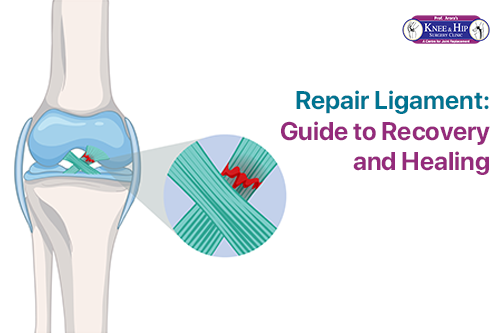
.png)