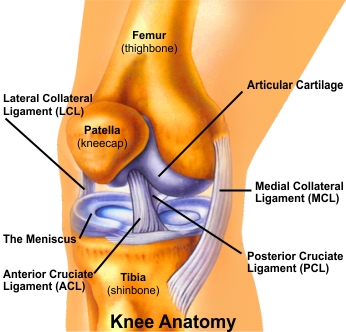



Every single day in my clinic, I meet patients who are incredibly diligent about their health. They follow the standard advice perfectly: “Take your calcium, and don’t forget your Vitamin D3.” It sounds like a foolproof formula. You swallow a couple of pills, and you rest easy, thinking your knees, hips, and spine are fully protected from the brittle effects of aging.
But here is a frustrating reality that I see all too often: despite taking daily supplements, many seniors find their bone density scans (DEXA scans) continuing to decline. Some suffer major fractures from a minor stumble. Others come to me needing premature knee or hip replacement surgeries.
If this sounds familiar, let me reassure you: you aren’t alone, and it isn’t your fault. The truth is, calcium and Vitamin D3 cannot work in isolation. Without dietary synergy—a master orchestra of specific nutrients, whole foods, and lifestyle factors working together—those expensive pills can fail completely. In fact, unabsorbed calcium can even wander into places it shouldn't, like your arteries.
Let’s look at the science of bone health made simple, explore why your supplements might be stalled, and discover how to unlock their full power to protect your joints and mobility.
The Illusion of the "Magic Pill" for Senior Bone Health
As we cross the threshold of 50 and move into our 60s, 70s, and beyond, our bodies fundamentally change how they handle minerals. For women post-menopause and men experiencing gradual hormonal shifts, the bone remodeling process—where the body breaks down old bone and builds new bone—tilts completely out of balance. We begin losing bone faster than we can replace it.
It is incredibly tempting to view a supplement as a quick fix for this imbalance. However, a pill is just a concentrated, isolated chemical structure. Your body, on the other hand, is a complex, living biological system.
When you swallow a standard calcium tablet, your body doesn't automatically route it straight to your femur or your kneecap. It requires a highly coordinated biological "GPS system" to digest, absorb, transport, and lock that calcium into your skeletal framework. If parts of that GPS system are missing from your daily diet, the calcium gets lost.
The Absorption Trap: Why Vitamin D3 is Only Step One
To understand dietary synergy, let’s look at how calcium travels through your body. Think of calcium as a VIP guest trying to get into an exclusive club (your bones).
- Vitamin D3 is the Doorman: Without Vitamin D3, your intestines can only absorb a tiny fraction of the calcium you consume. Vitamin D3 unlocks the doors of your digestive tract, allowing calcium to enter your bloodstream.
This is where most traditional medical advice stops. But what happens once that calcium is floating around in your blood? Vitamin D3 has finished its job, leaving the calcium entirely unsupervised.
If it stays in your bloodstream, it can bind with cholesterol and form plaques in your cardiovascular system—a dangerous process known as vascular calcification. Alternatively, it can settle in your joints, contributing to painful bone spurs, or accumulate in your kidneys to form stones.
To prevent this and ensure your supplements actually support your joints, you need the rest of the nutritional team.
The Missing Link: Vitamin K2, Magnesium, and Trace Minerals
True dietary synergy requires a network of co-factors that turn raw calcium into a strong, resilient bone matrix. If you are prepping for or recovering from an advanced procedure like robotic joint replacement, these are the silent partners you absolutely must have in your corner.
1. Vitamin K2: The Biological Traffic Cop
If Vitamin D3 is the doorman that lets calcium into the body, Vitamin K2 is the traffic cop that directs it exactly where to go. Specifically, Vitamin K2 activates a protein called osteocalcin, which acts like a biological glue, binding calcium directly to the bone matrix. Simultaneously, it activates another protein (Matrix Gla Protein) that actively prevents calcium from hardening in your blood vessels.
- Where to find it: Vitamin K2 isn't highly abundant in the standard modern diet. It is found in fermented foods like natto, sauerkraut, aged cheeses (like Gouda), and dark meat chicken or egg yolks from pasture-raised birds.
2. Magnesium: The Quality Controller
Your bones are not just made of calcium; they are a matrix of various minerals. Magnesium relaxes muscles, but inside your bones, it converts Vitamin D into its active, usable form. Without adequate magnesium, the Vitamin D3 you take remains dormant and useless. Furthermore, magnesium keeps bones flexible so they bend slightly under pressure rather than snapping.
- Where to find it: Leafy green vegetables (spinach, kale), pumpkin seeds, almonds, avocados, and dark chocolate.
3. Phosphorus and Collagen: The Flexibility Dynamic
Calcium provides hardness, but collagen provides the flexible framework that holds the minerals together. Think of it like reinforced concrete: calcium is the concrete, and collagen is the steel rebar inside. Without a strong collagen matrix—built through dietary protein, Vitamin C, and copper—bones become brittle like chalk.
How Dietary Synergy Impacts Joint Replacement and Recovery
This nutritional synergy becomes absolutely critical when we talk about senior healthcare decision-making, particularly around joint health. Conditions like severe osteoarthritis often lead seniors to seek specialized care at centers like our facility or explore advanced options for Joint Replacement.
Whether you are trying to preserve your natural joints for as long as possible or are preparing for a robotic knee or hip replacement, your nutritional status dictates your outcome.
Before Surgery: Building a Strong Foundation
As surgeons, we look for excellent bone quality when anchoring a new artificial knee or hip joint. If the surrounding bone is weak, porous, or osteoporotic due to failed calcium absorption, the implant may not seat as securely, potentially shortening its lifespan. Maximizing dietary synergy months before surgery gives your bones the structural integrity needed to support an implant.
After Surgery: Accelerating the Healing Timeline
A joint replacement is a profound victory for modern medicine, but your body views it as a major event that requires extensive remodeling. The bone must grow and fuse securely around the new implant. This cellular construction zone requires an immense amount of metabolic energy, high-quality proteins, active Vitamin D3, directed calcium, and magnesium. Relying solely on a synthetic pill without a nutrient-dense diet can slow your recovery, prolonging post-operative fatigue and swelling.
Everyday Mistakes That Sabotage Your Bone Supplements
Sometimes, it isn’t just what you are missing from your diet, but what you are actively consuming that causes your supplements to fail. Several common dietary habits act as "calcium thieves," draining your body of minerals faster than you can replenish them:
- Excessive Sodium (Salt): High salt intake forces your kidneys to excrete calcium through your urine. For every 2,300 milligrams of sodium you clear, you lose about 40 milligrams of calcium.
- The Fizz Factor (Phosphoric Acid): Many dark sodas and processed foods contain high amounts of phosphoric acid. While your bones need phosphorus, an extreme imbalance pulls calcium right out of your skeleton to neutralize the acid in your blood.
- Phytates and Oxalates: Healthy foods like raw spinach, rhubarb, and certain un-sprouted grains contain compounds that bind to calcium in the digestive tract, rendering your supplements unabsorbable. Pro-tip: Cook your spinach and soak your grains/beans to break these bonds down!
- Too Much Caffeine: Enjoying a morning cup of coffee is perfectly fine, but drinking multiple caffeinated beverages throughout the day acts as a mild diuretic, increasing the loss of calcium and magnesium.
Crafting the Ultimate "Bone Synergy" Plate
Instead of looking at your diet and your pill organizer as two separate things, let’s merge them. You can dramatically improve your bone health by eating real, whole foods that naturally contain these synergistic compounds.
| Nutrient | Core Role | Best Senior-Friendly Whole Food Sources |
|---|---|---|
| Calcium | Structural Building Block | Yogurt, Kefir, Paneer, Sardines (with bones), Bok Choy, Almonds |
| Vitamin D3 | Intestinal Absorption | Salmon, Mackerel, Egg Yolks, Controlled Sunlight |
| Vitamin K2 | Directing Calcium to Bone | Gouda/Edam Cheese, Sauerkraut, Grass-fed Butter, Kimchi |
| Magnesium | Activating Vitamin D | Pumpkin Seeds, Swiss Chard, Black Beans, Bananas |
| Protein & Vitamin C | Building the Collagen Matrix | Chicken, Bone Broth, Citrus Fruits, Bell Peppers, Berries |
Dr. Arora's Golden Rule for Seniors
Food first, supplements second. Try to get your calcium primarily from food. Whole-food calcium sources naturally come packaged with the trace minerals, proteins, and healthy fats that enhance absorption. Use your calcium supplements as a secondary insurance policy to fill small gaps, rather than relying on them to do all the heavy lifting.
Actionable Steps: Maximizing Your Mobility Today
If you are a senior citizen or a caregiver navigating choices regarding senior healthcare, here is my easy-to-follow blueprint to ensure your bone health strategy isn't failing behind the scenes:
- 1. Request a Comprehensive Lab Panel: The next time you see your physician, ask for more than just a basic blood calcium check. Request tests for 25-hydroxy Vitamin D, Magnesium (preferably RBC Magnesium), and a DEXA Bone Density Scan.
- 2. Time Your Supplements Wisely: Your body can only absorb about 500 mg of calcium at a single time. If you are prescribed a higher dose, split it between morning and evening. Never take calcium at the exact same time as an iron supplement, as they compete for the same absorption pathways.
- 3. Incorporate Movement: Nutrients cannot build bone without a physical signal telling the body that stronger bones are actually needed. Gentle, low-impact, weight-bearing exercises—like brisk walking, water aerobics, or light resistance bands—create safe mechanical stress that triggers your cells to lock calcium into place.
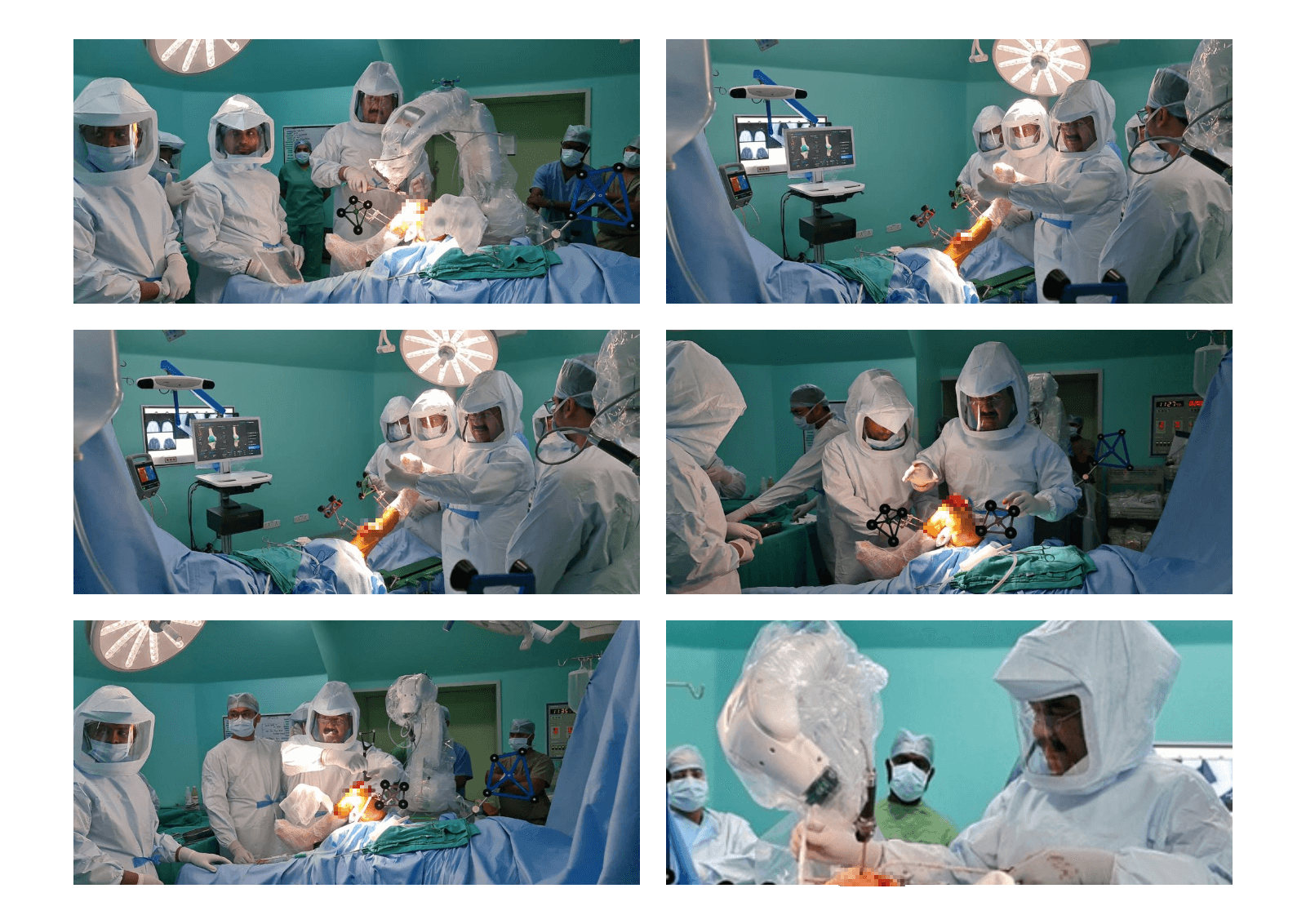
- 4. Consult with Joint Specialists: If chronic knee or hip discomfort is affecting your daily life, don't wait until a fracture occurs. Specialized diagnostics can help determine whether lifestyle changes, proactive physiotherapy, or advanced options like robotic joint replacement are the best paths to preserve your freedom of movement.
To learn more about advanced joint care and preserving mobility, visit us at jointreplacementdelhi.in.
Meet the Expert: Dr. (Prof.) Anil Arora
If you are navigating complex joint problems, finding a highly experienced specialist is the most critical step on your recovery journey.
Dr. (Prof.) Anil Arora
Chairman & Head of Department – Orthopaedics & Robotic Knee & Hip Replacement
Max Super Speciality Hospital, Patparganj, New Delhi
Chairman & Chief Surgeon – Prof. Arora's Knee & Hip Surgery Clinics, Delhi NCR
Conclusion:
Taking care of your skeletal health involves looking at the complete picture. Calcium and Vitamin D3 are vital pieces of the puzzle, but they cannot solve it alone. By embracing dietary synergy—nourishing your body with magnesium, Vitamin K2, and cleaning whole foods while eliminating lifestyle habits that deplete your mineral reserves—you give your joints the absolute best environment to thrive.
Whether you are looking to enjoy long walks in the park pain-free or aiming for a rapid, successful recovery after a joint surgery, true strength starts from within. Feed your bones wisely, keep moving safely, and always consult experienced professionals to tailor a plan that protects your long-term independence.

.png)