


The "Get Up and Go" Test: How Senior Citizens Can Assess Their Own Mobility and Fall Risk at Home
As we age, one of the most common worries isn't just joint pain—it's the fear of losing our independence. A simple stumble or a sudden loss of balance can lead to falls, which are a leading cause of injury for older adults. But falling is not just a "normal part of aging." Often, it is a sign of underlying muscle weakness or joint stiffness that can be easily treated if caught early.
So, how do you know if your mobility is starting to slip? You don't always need a complex hospital machine to find out. You can check your risk right in your own living room using a standard medical assessment called the Timed Up and Go (TUG) Test.
What is the "Get Up and Go" Test?
The Timed Up and Go (TUG) test is a simple, internationally recognized physical assessment used by doctors to evaluate a senior citizen's mobility, balance, walking ability, and fall risk.
It measures exactly how long it takes you to stand up from a chair, walk a short distance of 10 feet (3 meters), turn around, walk back, and sit down again. This everyday movement requires core strength, leg power, and balance—making it a highly accurate predictor of your overall joint health and stability.
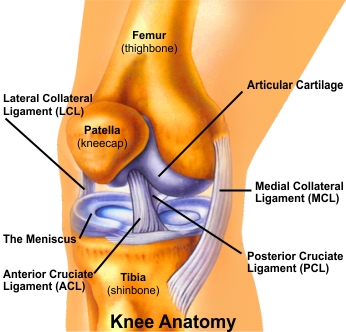
Rising from a chair requires core and joint strength. Source: SeventyFour / Getty Images
How to Perform the Test at Home
You can do this test safely at home, but it is highly recommended to have a family member or caregiver present with a stopwatch (a smartphone timer works perfectly) and to stand by just in case you lose your balance.
What you need:
- A standard-height chair with armrests (do not use a soft sofa or a chair with wheels).
- A measuring tape.
- A piece of tape or an object to mark a distance of exactly 10 feet (3 meters) away from the chair.
- Your regular walking aid (if you use a cane or walker, use it during the test).
1.Prepare to Start:
Sit comfortably in the chair with your back resting against the backrest and your arms resting on the armrests.
2.Start the Timer:
The person helping you should say "Go" and immediately start the stopwatch.
3.Stand Up and Walk:
Push yourself up from the chair and walk at your normal, comfortable, and safe pace to the 10-foot mark.
4.Turn Around:
Once you reach the 10-foot mark, turn around safely. (Take your time; do not rush the turn as this is where balance is most tested).
5.Return and Sit:
Walk back to the chair and sit down completely, resting your back against the chair again.
6.Stop the Timer:
The assistant stops the stopwatch the exact moment your bottom touches the seat.
Understanding Your Score
Your time is a direct reflection of your lower body strength and balance. Here is what your results generally mean:
| Your Time | What It Means | Fall Risk Level |
|---|---|---|
| Under 10 Seconds | Excellent mobility. You are moving freely and independently. | Low Risk |
| 11 to 14 Seconds | Good mobility, but joints may be stiffening. You might need some physical therapy. | Mild Risk |
| 15 to 19 Seconds | Noticeable decline in mobility. Your balance is likely compromised. | Moderate Risk |
| 20 Seconds or More | Significant mobility issues. Daily activities are likely difficult without assistance. | High Risk |
Important Note: If you take 12 seconds or longer to complete this test, medical guidelines suggest you are at a higher risk of falling in the near future.
What to Do If Your Score is High?
If your test took longer than 12-15 seconds, don't panic—but do take action. A slower time usually points to treatable conditions like severe knee osteoarthritis, hip degeneration, or muscle atrophy.
- Consult an Orthopaedic Specialist: Don't wait for a fall to happen. A specialist can assess whether the slowness is due to joint pain, bone-on-bone friction, or spine issues.
- Start Targeted Physiotherapy: Gentle, low-impact strength training can rebuild the muscles that support your knees and hips, significantly improving your balance.
- Review Your Medications: Sometimes, a slow test result is simply due to dizziness or lethargy caused by blood pressure medications or sedatives. Have your doctor review your prescriptions.
- Evaluate Joint Replacement: If severe arthritis is preventing you from moving smoothly, advanced procedures like Robotic Knee or Hip Replacement can eliminate the pain and restore the joint mechanics you need to walk confidently again.
Maintaining your independence in your golden years starts with knowing where you stand today. Try the "Get Up and Go" test this week, and take the first step toward a safer, more active life.
Dr. (Prof.) Anil Arora
Chairman & Head of Department – Orthopaedics & Robotic Knee & Hip Replacement
Max Super Speciality Hospital, Patparganj, New Delhi
Chairman & Chief Surgeon – Prof. Arora's Knee & Hip Surgery Clinics, Delhi NCR

.png)